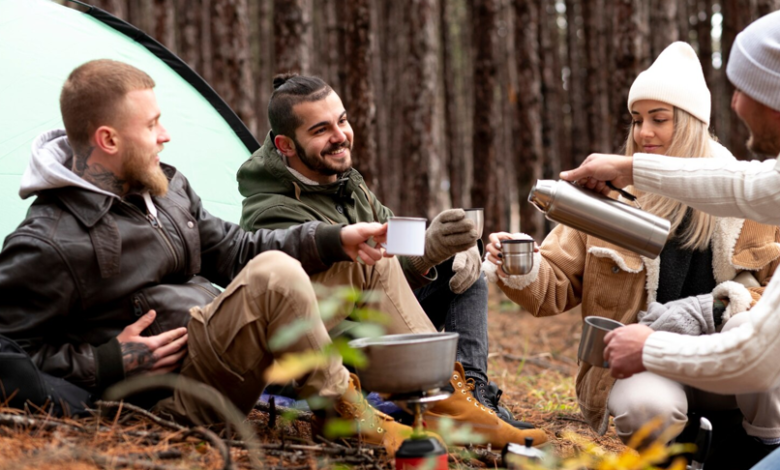
Camping can provide an exciting reprieve from everyday chores and activities. However, it’s the presence of comforts that makes all the difference in whether the camping experience becomes rejuvenating or draining. With proper planning and attention to detail, the night out in the wilds of nature can turn out to be some of the best experiences in an individual’s lifetime. Organized in the following five points, the tips that ensure an enjoyable time while camping are of immense help whenever the final destinations of the mission are in the depths of the forest or in the stillness of the lakeside.
Sleep Systems That Restore Energy
Quality sleep is the key to a successful camping trip. A conducive sleeping environment starts with a sleeping bag that is appropriate to the temperatures that the camper is likely to be exposed to, coupled with a sleeping pad that insulates the body from the hard ground. Inflatable sleeping pads contribute to added warmth while providing relief at pressure points. Travel pillows promote neck support while being compact. Prior to sleeping, changing into dry sleeping clothes ensures that the body stays well-heated. Additionally, removing small stones or branches from the sleeping area prevents any aches. Sleep habits promote a well-relaxed nervous system that ensures campers wake ready to adventure.
Smart Clothing and Layering Choices
Clothing choices directly impact levels of comfort felt while in the outdoors. The use of layers enables one to easily change depending on the changing weather patterns throughout the day. The use of a moisture-wicking bottom layer ensures dryness on the skin, while the insulating middle layers prevent loss of body heat when it is colder. Finally, the outer layer serves as a shield against the elements, which could be in the form of wind or rainfall, yet still enables free movement. Clothing made of natural resources like merino wool provides considerable benefits. Proper clothing choices also reduce energy loss, keeping the body balanced and resilient.
Useful Tools for the Journey
Dependable tools make camp life less complicated and reduce stress. Multi-purpose equipment saves space while increasing efficiency. For example, you can purchase a versatile folding knife that’s durable enough for food prep, cord cutting, and small repairs. Quality cookware distributes heat evenly, improving meal results. A compact repair kit handles unexpected gear issues, while a lightweight camp chair supports proper posture during rest periods. Picking well-constructed tools means consistent performance and less frustration. Investing thoughtfully means fewer items to manage yet greater confidence when handling daily camp tasks. Dependable equipment allows campers to focus attention on enjoyment rather than problem-solving.
See also: Sustainable Lifestyle Choices: Eco-Friendly Habits for Everyday Life
Camp Setup and Shelter Comfort
An appropriate campsite will provide a basis for starting to relax. This requires attention to a flat area that is not located on water drainage routes. This will help avoid dampness. When pitching a tent, one should orient its entrance to control air currents and receive maximum sun exposure. When it comes to shelter, arranging items around its perimeter will provide additional space. An appropriate ground sheet will help prevent damage to the tent floor and provide additional insulation. Basic features such as battery lamps and soft head lamps will provide a homelike environment.
Food, Hydration, and Simple Routines
Comfort increases when the body receives proper fuel and hydration. Balanced meals extend energy and balance mood. Menus planned in advance avoid last-minute compromises, reducing waste. Warm drinks, like tea or coffee, bring comforting warmth to cool evenings. Water intake is also worth constant attention, as dehydration quickly leads to fatigue and headaches. Habits of simpler routines, regular times of meals, and short stretches help the body. Minor rituals, such as preparing morning coffee or writing in one’s journal in the evening, create familiarity that helps campers unwind and stay connected throughout the journey. Consistent nourishment also aids recovery after long days of physical activity.
Camping comfort is, in a nutshell, a culminated effect of deliberate camping practices, as opposed to comfort. Good sleeping systems, flexible clothing, appropriate shelter arrangements, effective tools, and healthy habits combine to make camping a pleasant experience. Through consideration of these, campers will not focus on what they lack but instead on what nature has to offer, without a hint of discomfort.