Riding a motorcycle in Wisconsin brings risk. You feel every change in the road. You have no shield in a crash. You need clear rules before you turn the key. This guide explains what you must know about protective gear, traffic laws, and how drivers often miss seeing you. It also covers what to do after a crash, including when to contact Wisconsin motorcycle accident attorneys. You will learn how speed, alcohol, and road design raise your danger. You will see how weather, farm equipment, and deer change your ride in seconds. You will also get simple steps to protect your rights if another driver hits you. The goal is simple. You go out. You ride. You come home.
Know the Law Before You Ride
Wisconsin law sets clear rules for you and your bike. You protect yourself and your family when you follow them.
Key points include:
- You must hold a Class M license or permit.
- Your bike must have working lights, brakes, and mirrors.
- You must carry liability insurance.
You can read the full rules in the Wisconsin DOT Motorcycle License guide. You should review it each year. Laws change. Your memory fades. The rules do not care.
Protective Gear That Gives You a Chance
Crash studies show one hard truth. Your gear often decides if you walk away or never stand again. Wisconsin does not require helmets for every rider. The law only covers riders and passengers under age 18 and those with permits. That gap leaves many riders exposed.
Choose three basics every time you ride:
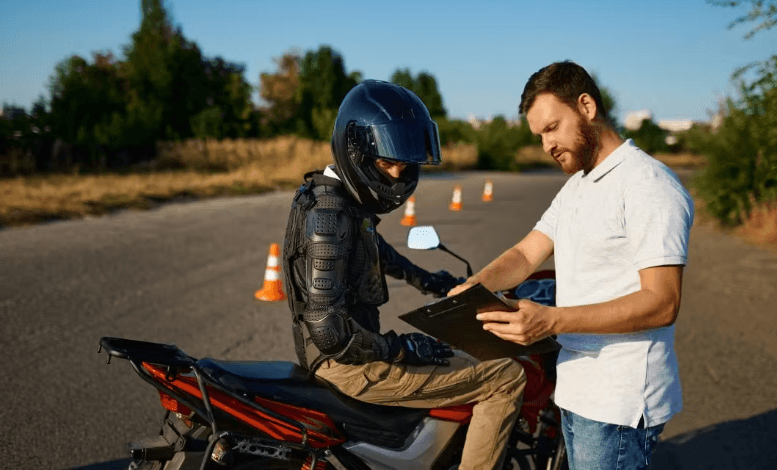
- A DOT approved helmet
- A sturdy jacket and pants
- Gloves and over the ankle boots
Next choose three visibility tools:
- Bright or light colored clothing
- Reflective strips on gear and bike
- Headlight on even in daylight
The National Highway Traffic Safety Administration motorcycle safety page shows how helmets and high visibility gear cut deaths and brain injuries. You owe that choice to your family.
Common Wisconsin Crash Risks
Three threats hit riders in Wisconsin over and over.
First, drivers turning left in front of you. Many claim they never saw the bike. You ride smaller than a car. You blend into clutter. You must ride like every left turn hides a threat.
Second, speed and alcohol. Rural roads tempt you. Open stretches feel empty. A few drinks feel small. Yet most deadly crashes tie back to speed or alcohol. The mix with a bike is cruel.
Third, surprise hazards. Gravel at an intersection. Fresh tar snakes. Farm mud. Loose hay. Each one can pull your front tire out from under you with no warning.
Wisconsin Conditions That Change Your Ride
Wisconsin roads punish riders who forget the season. You face three main condition shifts.
- Spring. Potholes, sand, and leftover salt. Melted snow that refreezes at night.
- Summer. Farm equipment, loose gravel on chip sealed roads, and distracted tourist traffic.
- Fall. Wet leaves, early frost, and lower sun glare at morning and evening.
You also share space with deer. Dusk and dawn bring the highest risk. Rural corridors near woods and fields are trouble. You should slow, cover your brakes, and scan the ditches.
See also: 5 Strategies Lawyers Use To Defend DUI Cases
Helmet Use and Risk Comparison
The choice to wear a helmet changes your odds in a crash. National data from NHTSA and state patterns show clear gaps. The numbers below are estimates meant to guide your thinking, not exact predictions.
| Rider Type | Helmet Use | Estimated Risk of Head Injury in Crash | Estimated Risk of Death in Crash |
|---|---|---|---|
| Wisconsin rider with full gear | Always | About 1 out of 4 | About 1 out of 20 |
| Wisconsin rider with light gear | Sometimes | About 1 out of 3 | About 1 out of 15 |
| Wisconsin rider with no helmet | Never | About 1 out of 2 | About 1 out of 10 |
You cannot remove risk. You can push it down. A helmet and strong gear give you a better chance to hug your family again after a crash.
How To Ride So Drivers See You
You cannot control other drivers. You can change how visible you are and how much time you have to react.
Use three simple habits:
- Leave a large gap from the car in front of you. Space buys time.
- Use your lane position to stay out of blind spots.
- Flash your brake light before slowing or turning.
Next, plan three escape routes. At any moment ask yourself. If this car cuts me off, where do I go. Left. Right. Brake. You train your brain to move, not freeze.
What To Do After a Crash
A crash feels unreal. Pain mixes with fear. You still need clear steps.
- Move to a safe place if you can.
- Call 911 and report every injury, even small ones.
- Exchange insurance and contact details.
- Take photos of the scene, your bike, and your injuries.
- Get names and numbers of witnesses.
- Seek medical care right away.
Then protect your rights. You should avoid guessing about fault at the scene. You may not see the full story. You can contact a trusted lawyer, including Wisconsin motorcycle accident attorneys, before you talk with insurance adjusters. That step helps guard your family from lost wages and medical debt.
Plan So You Come Home
Before each ride, take three minutes.
- Check your bike. Tires, lights, brakes.
- Check yourself. Clear mind, no drugs, no alcohol.
- Check the route. Weather, road work, and time of day.
Each choice you make on the front end cuts risk on the back end. You do not ride for fear. You ride with respect for your body, your passengers, and the people waiting at home.