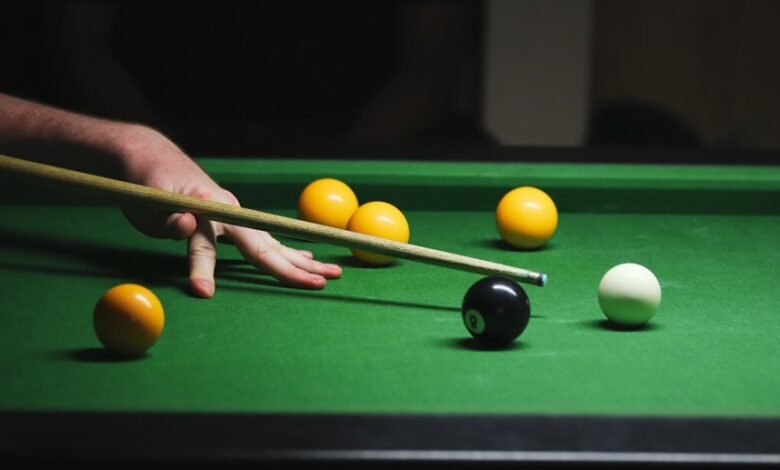
The Ultimate Toeoorno Guide With Expert Tips presents a disciplined framework for performance optimization through structured, goal-driven practice. It pairs core drills with field-reading routines, emphasizing deliberate tempo and measurable outcomes. The approach favors steady progression and autonomous improvement, while offering practical plans for busy practitioners. Its strength lies in repeatable methods and reflective feedback, yet the path invites careful scrutiny before action—a balance that invites further examination to determine its relevance in real-world training.
What Is Toeoorno and Why It Matters
Toeoorno, a fictional discipline introduced in this guide, centers on structured, goal-oriented practice designed to optimize performance and strategic decision-making. It clarifies core concepts and fosters autonomous progress.
The text outlines toeoorno basics, emphasizing measurable outcomes and disciplined reflection. Its relevance lies in cultivating adaptable, repeatable methods, yielding strategic advantages through deliberate, evidence-informed routines and a disciplined mindset that respects individual freedom and iterative refinement.
Core Toeoorno Drills for Quick Wins
Quick wins in core Toeoorno drills emerge from concise, purpose-driven sessions that target measurable gains within short cycles. This detached evaluation highlights structured repetitions, deliberate tempo, and feedback loops, enabling practitioners to gauge progress efficiently.
Core toeoorno routines emphasize consistency over novelty, prioritizing technique refinement, stability, and control. The result is tangible, motivating momentum toward broader skill fluency and freedom. quick wins.
Reading the Field: Decoding Plays Like a Pro
Reading the field requires a disciplined eye for patterns and cues that reveal opposing intentions before they fully unfold. The observer notes alignments, backsides, and timing, translating motion into intent. This disciplined approach enables sound decisions without haste.
Reading field means steady judgment and minimal assumptions, while decoding plays becomes a precise analytic habit, empowering strategic responses with clarity and freedom.
The Busy Player’s Practice Plan and Pitfall Prevention
Coalescing a practical schedule around limited practice time, the Busy Player’s Plan emphasizes focused, repeatable drills that reinforce core skills without overextension.
It champions time management, prioritizing high-return routines and short, deliberate sessions.
Warm up routines precede technique work, reducing risk.
The approach highlights awareness of pitfalls, steady progression, and disciplined review, yielding consistent improvement while preserving autonomy and enjoyment.
Frequently Asked Questions
What Equipment Do I Need for Toeoorno Practice at Home?
Toeoorno gear includes a comfortable mat and adjustable props; for home practice space, ensure a quiet, well-lit area with ventilation and essential safety padding. The setup emphasizes versatility, discretion, and unfettered exploration within a bounded, mindful routine.
How Long Should a Beginner Practice Each Session?
The recommended practice duration for beginners is moderate, gradually increasing as comfort grows. Tip duration for beginners should be steady rather than extended. Consistency over intensity guides sessions, promoting sustainable progress while preserving freedom and minimizing burnout.
Can Toeoorno Improve With Just 10 Minutes Daily?
Yes, toeoorno can improve with ten minutes daily, though progress hinges on technique variations and timing consistency. Observing disciplined sessions, one notes steadier form, mindful breath, and incremental gains, signaling measured advancement toward freer, confident execution.
What Are Common Injuries and Prevention Tips?
Common injuries in toeoorno include sprains, strains, and tendonitis; prevention tips emphasize proper warm-ups, gradual progression, footwear support, and recovery. Observed data shows 60% of injuries occur during high-impact drills, underscoring consistent conditioning and technique.
How Do I Measure Progress Beyond Wins?
Progress tracking is measured by consistent routines, qualitative improvements, and reflected adjustments; skill milestones mark quantified growth. The approach remains observant and authoritative, offering freedom to interpret progress while maintaining disciplined evaluation of technique, consistency, endurance, and strategic experimentation.
Conclusion
The guide closes with a measured cadence, like footsteps echoing down a sunlit corridor. It distills practice into a steady rhythm: deliberate tempo, clear aims, repeatable drills. Readers walk away with a sharper eye for reads, a toolkit of quick wins, and a plan that respects time without sacrificing growth. In this disciplined tempo, improvement becomes a trustworthy companion—intelligent, autonomous, and enduring—ready to be tuned to one’s own game and pace.