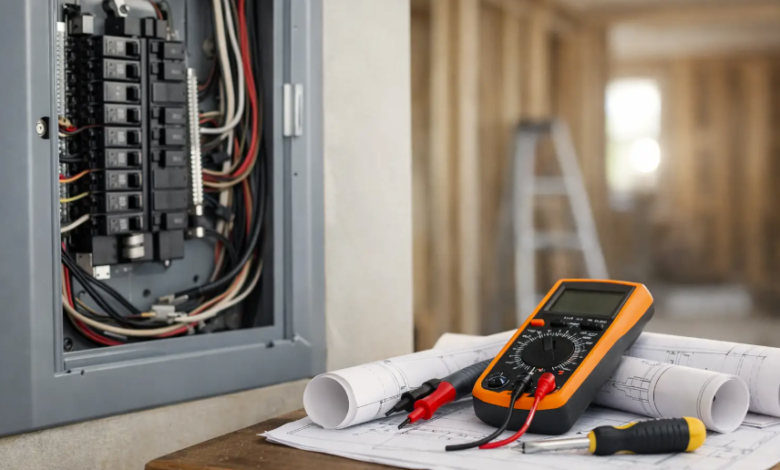
Home renovation projects frequently involve changes to electrical wiring, appliances, lighting, and circuit arrangements. Whether a homeowner is remodeling a kitchen, finishing a basement, or adding new living space, electrical planning is essential.
The existing electrical panel must be evaluated to determine whether it can accommodate the intended changes safely.
Why Electrical Planning Matters During Renovations
Renovations can significantly change the electrical requirements of a property.
New rooms may need additional receptacles and lighting circuits, while upgraded appliances may have greater electrical demands than the equipment they replace.
Without careful planning, new circuits can place unnecessary stress on existing electrical infrastructure.
Electrical planning should therefore begin before major construction or installation work takes place.
Kitchen Remodeling and Electrical Demand
Modern kitchens often contain numerous electrical appliances.
Electric ovens, dishwashers, refrigerators, microwave ovens, and countertop equipment may require dedicated or appropriately arranged circuits.
Dedicated Appliance Circuits
Certain appliances require individual branch circuits based on manufacturer instructions and applicable electrical standards.
Dedicated circuits help provide the appropriate electrical supply and prevent unrelated appliances from overloading the same circuit.
Countertop Receptacle Requirements
Kitchen receptacle placement and protection requirements vary according to electrical codes.
Professional design ensures that new wiring and outlets comply with applicable regulations.
Basement and Garage Conversions
Converting a basement or garage into usable living space often requires additional electrical work.
Lighting, heating, cooling, receptacles, and specialized equipment can increase household electrical demand.
Evaluating Available Circuit Space
The existing panel should be examined to determine whether suitable breaker spaces are available.
However, empty breaker spaces do not automatically indicate sufficient electrical service capacity.
A proper load calculation remains necessary when significant new demand is introduced.
Home Office Electrical Requirements
Home offices may include computers, monitors, printers, networking equipment, and additional lighting.
Although many electronic devices have relatively modest power requirements, larger workstations or specialized equipment may require careful circuit planning.
Reliable electrical distribution is particularly important when equipment supports professional work or data storage.
Electrical Considerations for Home Additions
Constructing additional living space can increase the calculated electrical demand of a property.
An electrician may review the existing service capacity, feeder ratings, branch circuits, and grounding arrangements.
During extensive renovations, electrical panel replacement Chicago may be evaluated when the original distribution equipment is deteriorated, incompatible with required modifications, or unsuitable for the planned electrical load.
The scope of work should reflect both the building design and applicable local requirements.
The Importance of Permits and Inspections
Electrical renovations may require permits and inspections, depending on the jurisdiction and project.
These processes help verify compliance with electrical safety standards.
Homeowners should confirm the applicable requirements before work begins.
Planning for Future Needs
Renovations provide an opportunity to consider realistic future electrical requirements.
Homeowners may eventually install electric vehicle charging equipment, additional heating systems, or other appliances.
Planning suitable circuit routes and evaluating available capacity during renovation can reduce the need for disruptive modifications later.
Conclusion
Electrical panel planning is an important part of successful residential renovation projects.
A professional evaluation helps determine whether existing electrical infrastructure can support additional circuits and appliances.
Careful design, appropriate equipment selection, and compliance with local electrical requirements contribute to safe and dependable renovated spaces.