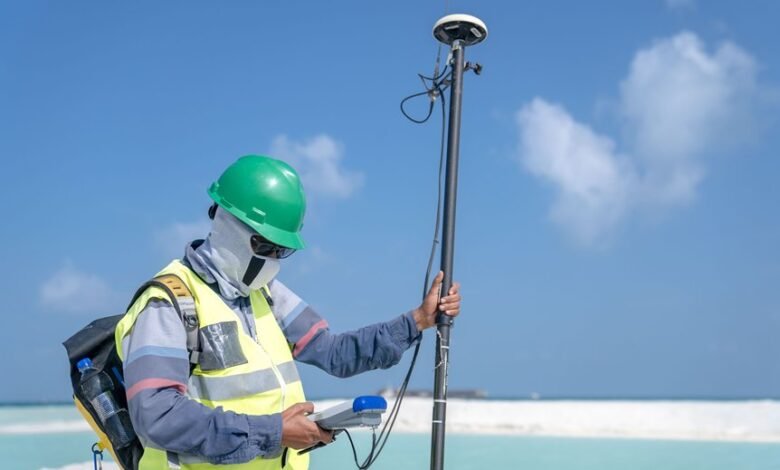
A hydrogeologist works at the intersection of fieldwork, data analysis, and client collaboration. The role demands precise measurements, subsurface interpretation, and model-building under variable conditions. Success hinges on data integrity, ethical practice, and clear communication, balanced with team input and autonomous tasks. This guide outlines core fit indicators, daily activities, and the steps to enter the field. For those weighing the fit, the next section presents concrete criteria to evaluate suitability and readiness.
Is Hydrogeology Right for You? Core Fit Indicators
Determining whether hydrogeology fits a given individual requires evaluating several core indicators: affinity for field measurements, comfort with interpreting complex subsurface data, and the persistence to work through iterative problem-solving in variable, often remote environments.
The assessment hinges on is job outlook, work life balance, groundwater monitoring, data analysis, site visits, and fieldwork chores, revealing a freedom-seeking, analytical practitioner.
What You’ll Do as a Hydrogeologist Day to Day
What does a hydrogeologist do on a typical workday, and how does that work unfold across field, office, and laboratory settings?
The role emphasizes methodical fieldwork logistics, precise sampling, and aquifer assessment, followed by rigorous data interpretation in the office.
In the lab, samples yield concentrations and isotopes, while data visualization translates results into actionable hydrogeologic insights for stakeholders.
Essential Roadmap: Education, Skills, and Practical Experience
Education, skills, and practical experience form the backbone of a hydrogeologist’s career path.
The roadmap emphasizes formal credentials, domain-specific tools, and field-tested competencies, with emphasis on data interpretation, groundwater modeling, and well-field assessment.
Novice friendly training pathways exist, aiding career switching through targeted certificates and applied internships, while integrating interdisciplinary collaboration for robust, adaptable field performance and evidence-based decision making.
Is This Field a Good Career Match? Values, Environments, and Decision Criteria
Is a career in hydrogeology a good fit for professionals seeking data-driven fieldwork, cross-disciplinary collaboration, and tangible environmental impact?
The field aligns with values prioritizing field ethics and client communication, evaluating environments that demand rigorous measurement, transparent reporting, and sustained stewardship.
Decision criteria emphasize autonomy, collaborative culture, field safety, quality assurance, and practical outcomes, ensuring intellectual freedom while delivering measurable groundwater integrity and societal benefit.
Frequently Asked Questions
What Annual Salary Range Can I Expect as a Hydrogeologist?
The annual salary range for a hydrogeologist typically spans mid-$60k to mid-$120k, depending on experience, region, and sector. Salary myths aside, career progression often advances toward senior project leadership, consulting, or managerial roles with commensurate increases.
How Does Fieldwork Differ From Office Work in This Career?
Fieldwork challenges shape data collection and site assessment, while office coordination focuses on analysis, reporting, and stakeholder communication; both require disciplined rigor, yet field tasks demand mobility and risk assessment, whereas office duties demand planning, documentation, and collaborative synthesis.
What Professional Certifications Boost Job Prospects?
Professional certifications bolster job prospects, with groundwater modeling certifications and licensure requirements forming core career credentials; they signal competence and accountability. Analysts note that ongoing credentialing supports autonomy, field mobility, and disciplined, evidence-based decision-making within hydrogeology careers.
Which Regions or Climates Favor Hydrogeology Projects?
In arid, semi-arid, and tropical regions climates, project opportunities cluster around groundwater sustainability and aquifer management. A hypothetical drought-region case study illustrates how hydrogeology informs wellfield planning, monitoring networks, and recharge strategies for resilient water supplies.
How Steep Is the Learning Curve for Groundwater Modeling?
The learning curve for groundwater modeling is steep but manageable, requiring dedication to hydrology theory and numerical tools; novices progress with structured practice, critical thinking, and field data interpretation, enabling skilled analysts to craft reliable, field-oriented groundwater models.
Conclusion
Beneath the surface, a hydrogeologist is a patient cartographer, tracing invisible rivers through layered earth. Each measurement is a compass bearing; every model, a map toward sustainable decisions. In the field’s mud and data’s precision, ethics and clarity steer collaborations toward tangible impact. If curiosity anchors method, and complex subsurface puzzles invite steady hands, then this path aligns. The groundwater landscape rewards disciplined observation, iterative inquiry, and steadfast communication as the true indicators of success.