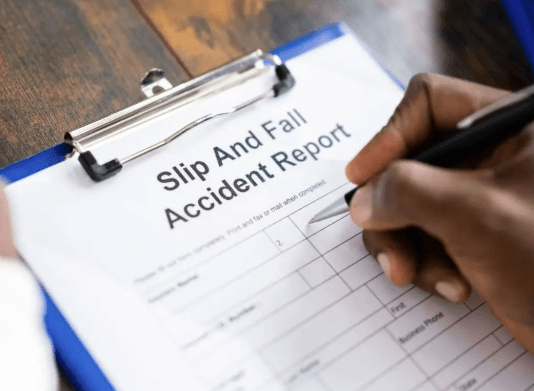
You did not plan to fall. Yet it happened. Now you feel sore, unsure, and maybe embarrassed. You may want to shrug it off and walk away. Do not do that. Reporting a slip and fall right away protects your health, your job, and your legal rights. Every minute you wait, memories fade. Surfaces get cleaned. Witnesses leave. Security cameras record over old footage. Important proof disappears fast. A quick report creates a clear record of what happened, where it happened, and who saw it. That record can support medical care and workplace safety. It can also support any claim you may need to file. Philly Slip and Fall Guys often see injured people lose key proof because they waited. You deserve safety and respect. You also deserve a fair process after a fall. Prompt reporting is your first strong step.
1. Protect your health right away
You might think you are fine after a fall. You stand up. You feel shaken but awake. You want to get home. That reaction is common. It is also risky.
First, some injuries hide at the start. The Centers for Disease Control and Prevention explains that even a mild head hit can cause a brain injury that shows up later. You can read more about that here: CDC concussion signs and symptoms.
Second, a written report helps your doctor. When you seek care, the provider needs to know when and how you fell. A clear report supports that story. It shows the date, time, place, and conditions. That proof can guide tests, treatment, and follow up.
Third, if you wait, you may doubt yourself. You may forget if you tripped, slipped, or blacked out. A report made on the same day locks in those details. That helps your health now and later.
2. Create a clear record while proof still exists
Evidence after a fall fades in three ways. Surfaces change. People forget. Records vanish.
Right after you report, you can ask that photos be taken. You can also take your own pictures if you are safe. You can show:
- Wet floors or ice
- Loose rugs or cords
- Broken steps or flooring
Next, staff can record names of witnesses. People walking by will move on. They may forget small details. A fast report lets the manager collect contact information while memories are fresh.
Finally, cameras often record over old video within days. A written report puts the business or property owner on notice. That notice makes it more likely that footage will be saved.
3. Support workplace safety and your job
If you fall at work, your report does more than help you. It can protect coworkers and visitors. The Occupational Safety and Health Administration explains that slips and trips are a leading cause of lost work time. You can see more here: OSHA slips, trips, and falls.
Your report can trigger three key steps.
- Fix the hazard so no one else falls
- Review safety rules and training
- Check if equipment, lighting, or cleaning needs change
Also, many workplaces require fast reporting for workers’ compensation. If you wait, you may face doubt about whether the injury happened at work. You may also risk losing wage or medical support. A same day report protects both your health and your paycheck.
See also: The Connection Between Alcohol Abuse and Mental Health Disorders
4. Protect your legal rights without delay
A slip and fall claim is not about blame. It is about fairness. You should not carry the cost of an injury that happened on unsafe property.
When you report right away, you help answer three questions.
- What caused the fall
- Who controlled the property
- What the property owner knew or should have known
If you wait days or weeks, the property owner can argue that something else caused your injury. They may say you got hurt at home. They may claim the floor was safe when you were there. A prompt report makes those claims weaker. It shows that you spoke up while the scene was still fresh.
5. See how timing changes your outcome
The table below shows how fast reporting compares to delayed reporting for key parts of your case and care.
| Issue | Report the same day | Report weeks later |
|---|---|---|
| Witness memory | Clear details about what they saw | Unclear or mixed stories |
| Photos and video | High chance proof is saved | High chance proof is gone |
| Medical link to fall | Strong link between fall and injury | Questions about other causes |
| Workplace claim | Better support for benefits | Possible denial or long review |
| Property safety changes | Faster fix for hazards | Risk that danger stays |
6. Steps to take right after a slip and fall
You can feel shaken after a fall. A simple three step plan can guide you.
- First, get to a safe spot and check for pain, bleeding, or confusion.
- Second, tell someone in charge and ask to file a written report.
- Third, collect contact details for witnesses and take photos if you can.
Then seek medical care the same day if possible. Tell the provider exactly what happened. Keep copies of every record you receive.
7. Why your report matters for others
Your report does more than protect you. It shines light on a hazard that might hurt a child, an older adult, or a worker on the next shift. Many property owners act only when they see proof of a pattern. Your report becomes part of that proof.
You deserve safe floors, clear walkways, and fair treatment after a fall. You also deserve to heal without fear about lost pay or medical bills. Quick reporting is not overreacting. It is a calm, strong step to guard your body, your rights, and your family.